Nike Implements Sweeping Distribution Overhaul in China Amidst Declining Revenues and Strategic Reset

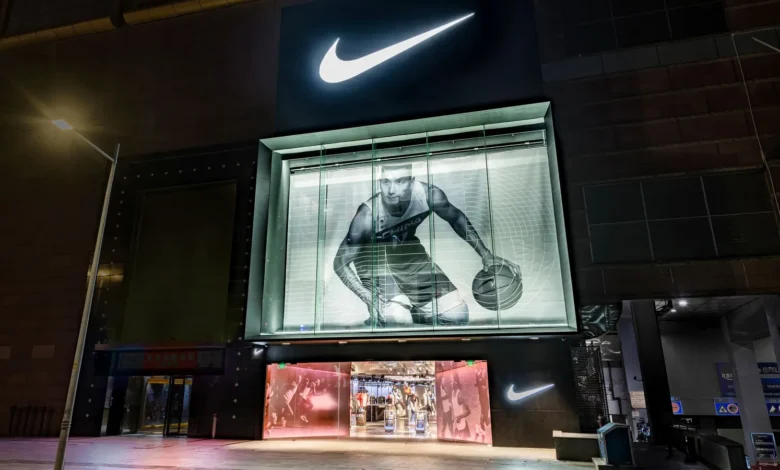
Nike is embarking on a dramatic restructuring of its distribution network in Greater China, a move designed to reset its market approach, elevate its brand presence, and address a prolonged period of declining sales in the critical region. This strategic pivot involves severing online wholesale partnerships with major distributors, including Topsports International Holdings and Pou Sheng, as the athletic apparel giant seeks to consolidate its digital footprint and foster a more premium, consistent consumer experience. The decision signals a significant acceleration of Nike’s direct-to-consumer (DTC) strategy within one of its most challenging yet potentially lucrative markets.
Background to the Strategic Shift: Addressing a Critical Market Downturn
Greater China has been a notable drag on Nike’s overall financial performance, extending the company’s global turnaround timeline. In its latest reported quarter, Nike’s revenues in Greater China plummeted by 12%, contributing to an 11% decline for the full fiscal year 2026. This consistent underperformance prompted a significant leadership change in January of the current year, with Angela Sparks taking the helm of the region. Since her appointment, Sparks has undertaken extensive fieldwork, reportedly spending "hundreds of hours" exploring shopping streets, malls, engaging with consumers, and meeting with employees across Greater China to gain a firsthand understanding of the market dynamics.
Sparks articulated the core issue in a recent communication, stating, "Our connection with athletes remains strong, but the marketplace is not where it needs to be. Consumers expect authentic product, consistent storytelling and a seamless experience across every touchpoint." This assessment highlights a perceived fragmentation and inconsistency in how the Nike brand was being presented and accessed by Chinese consumers, particularly in the sprawling and complex digital retail landscape. The company attributes some of these challenges to strategic decisions made during the pandemic era, around the time John Donahoe assumed the CEO role. Sparks noted, "As consumer behavior shifted rapidly during and after COVID, some of the steps we took created an experience that is less consistent, less trusted and not delivering the growth we expect." This suggests that a rapid expansion of digital touchpoints during the pandemic may have inadvertently diluted brand perception and control.
The Details of Nike’s Revamped China Strategy
At the heart of Nike’s new strategy is a concerted effort to streamline its digital distribution. The company plans to significantly reduce the number of its digital partners, instead leaning into a select few key collaborators and prioritizing its own direct digital channels. The objective is to present a more "elevated and consistent brand experience" that aligns with Nike’s global premium positioning. A company spokesperson clarified the intent, emphasizing that "This is not a retreat from digital commerce or wholesale." Rather, the goal is to work with its remaining Nike partners in China to "unify and elevate the experience to one that is brand right." This implies a move towards fewer, but more deeply integrated and strategically aligned, digital partnerships.
Parallel to the distribution overhaul, Nike is also making significant investments in localization. The company has appointed its first vice president of local product creation specifically for Greater China. This initiative underscores Nike’s commitment to developing products that resonate directly with the unique tastes, preferences, and cultural nuances of the Chinese consumer base. The first products stemming from this dedicated local team are anticipated to hit the market as early as the upcoming holiday season, signaling a rapid response to the identified need for greater relevance.
Furthermore, Nike is reinforcing its commitment to its physical retail presence. The company plans to invest in its store fleet across China, introducing new retail concepts such as ACG Basecamp and Rookie Kids stores. In collaboration with its existing partners, who collectively operate thousands of Nike stores across the country, the brand will develop more "locally-led retail concepts" slated to debut within the next six months. The spokesperson highlighted that Nike will work with these partners "primarily on elevating the brick-and-mortar experience, which is where their expertise is," suggesting a clear division of labor where partners focus on physical retail excellence while Nike takes tighter control of the digital narrative.
Immediate Impact on Key Wholesale Partners
The implications of this strategic shift are particularly acute for Nike’s long-standing wholesale partners. Topsports International Holdings, a dominant player in sports retail in China, publicly acknowledged the "significant" short-term impact of Nike’s decision. In a press release, Topsports revealed that online sales of Nike products constituted a substantial 22% of its total revenue in its latest fiscal year, underscoring the magnitude of the business it stands to lose in the digital realm.
BNP Paribas Equity Research senior analyst Laurent Vasilescu provided further context, estimating that Topsports alone represents approximately half of Nike’s total wholesale revenues in China. Vasilescu also confirmed that Pou Sheng, Nike’s second-largest distributor in the region, is similarly being cut off from online sales. The combined impact on these two retail giants highlights the sweeping nature of Nike’s distribution reset.
Expert Reactions and Potential Implications
The decision has drawn varied reactions from industry analysts. While Nike and Topsports’ CEO Yu Wu presented a united front, with Wu stating that the change would promote a "healthier, more orderly, and more sustainable retail ecosystem in China," some analysts express skepticism regarding the immediate and long-term consequences.
Laurent Vasilescu of BNP Paribas Equity Research voiced strong concerns, labeling Nike’s move a "strategic misstep." He contended that "Nike has a product problem," suggesting that issues with product relevance or innovation might be at the root of its struggles in China, rather than purely distribution inefficiencies. Vasilescu highlighted the critical role of wholesale online channels for many Chinese consumers, who frequently use them for convenience, variety, and often to find discounted or excess inventory. He warned that terminating this "crucial channel" could lead to Nike ceding market share to competitors, drawing parallels to Nike’s previous decisions to exit certain North American wholesale partners, which similarly resulted in market share losses.
The Chinese e-commerce landscape is uniquely complex and highly competitive, dominated by platforms like Tmall, JD.com, and more recently, short-video commerce on Douyin (TikTok’s Chinese version) and Kuaishou. For a premium brand like Nike, maintaining consistent pricing, brand messaging, and an authentic product experience across a multitude of third-party online vendors has proven challenging. Brand dilution, unauthorized resellers, and inconsistent promotions can erode brand equity. By consolidating its online presence, Nike aims to exert greater control over these aspects, ensuring that the consumer journey, from discovery to purchase, aligns with its global brand standards.
However, the risk of alienating a significant segment of consumers who prefer the convenience or pricing offered by multi-brand online retailers is substantial. Nike’s global pivot towards a Direct-to-Consumer (DTC) model, which emphasizes sales through its own digital platforms and stores, has been successful in many markets, boosting profitability and customer engagement. In China, however, the digital ecosystem is so vast and entrenched that a complete withdrawal from broad wholesale online distribution might prove more disruptive than beneficial in the short term. Competitors, both international like Adidas and Puma, and powerful local brands such as Anta, Li-Ning, and Xtep, are likely to capitalize on any perceived gaps left by Nike’s restructuring, potentially by increasing their own online wholesale presence or offering compelling alternatives to consumers.
The Road Ahead: Localization, Experience, and Inventory Management
The emphasis on local product creation is a critical component of Nike’s strategy to regain relevance in China. Beyond just aesthetics, local design teams can better understand functional needs, cultural symbols, and emerging trends specific to the Chinese market, leading to more resonant and successful product lines. This move is a recognition that a globally designed product, however successful elsewhere, may not always hit the mark with discerning Chinese consumers.
The renewed focus on elevating the brick-and-mortar experience with partners also speaks to the enduring importance of physical retail in China. Despite the dominance of e-commerce, flagship stores and experiential retail spaces serve as crucial brand touchpoints, offering immersive experiences, community events, and opportunities for consumers to physically interact with products. By empowering its partners to excel in this domain, Nike aims to create a powerful omnichannel presence where digital and physical experiences complement each other seamlessly.
One of the significant challenges Nike will face post-restructuring is managing excess inventory. Wholesale channels often serve as a vital mechanism for clearing unsold stock. Without the expansive online reach of partners like Topsports and Pou Sheng, Nike will need to develop robust internal strategies to manage inventory effectively, potentially relying more heavily on its own official online sales or more targeted, controlled promotional events. Failure to do so could lead to discounting that undermines the premium brand image it is striving to cultivate.
Ultimately, Nike’s bold move in China represents a high-stakes gamble. It is a calculated risk to sacrifice short-term sales volume and widespread online availability for greater brand control, a more elevated consumer experience, and potentially higher long-term profitability. The success of this strategy will hinge on several factors: the speed and effectiveness of local product development, the seamless integration and elevation of its remaining digital and physical channels, and Nike’s ability to maintain strong engagement with Chinese consumers in a more curated environment. Analysts and investors will be closely monitoring Nike’s Greater China revenue figures, direct-to-consumer growth, and brand health metrics in the coming quarters to assess whether this dramatic overhaul yields the desired turnaround.